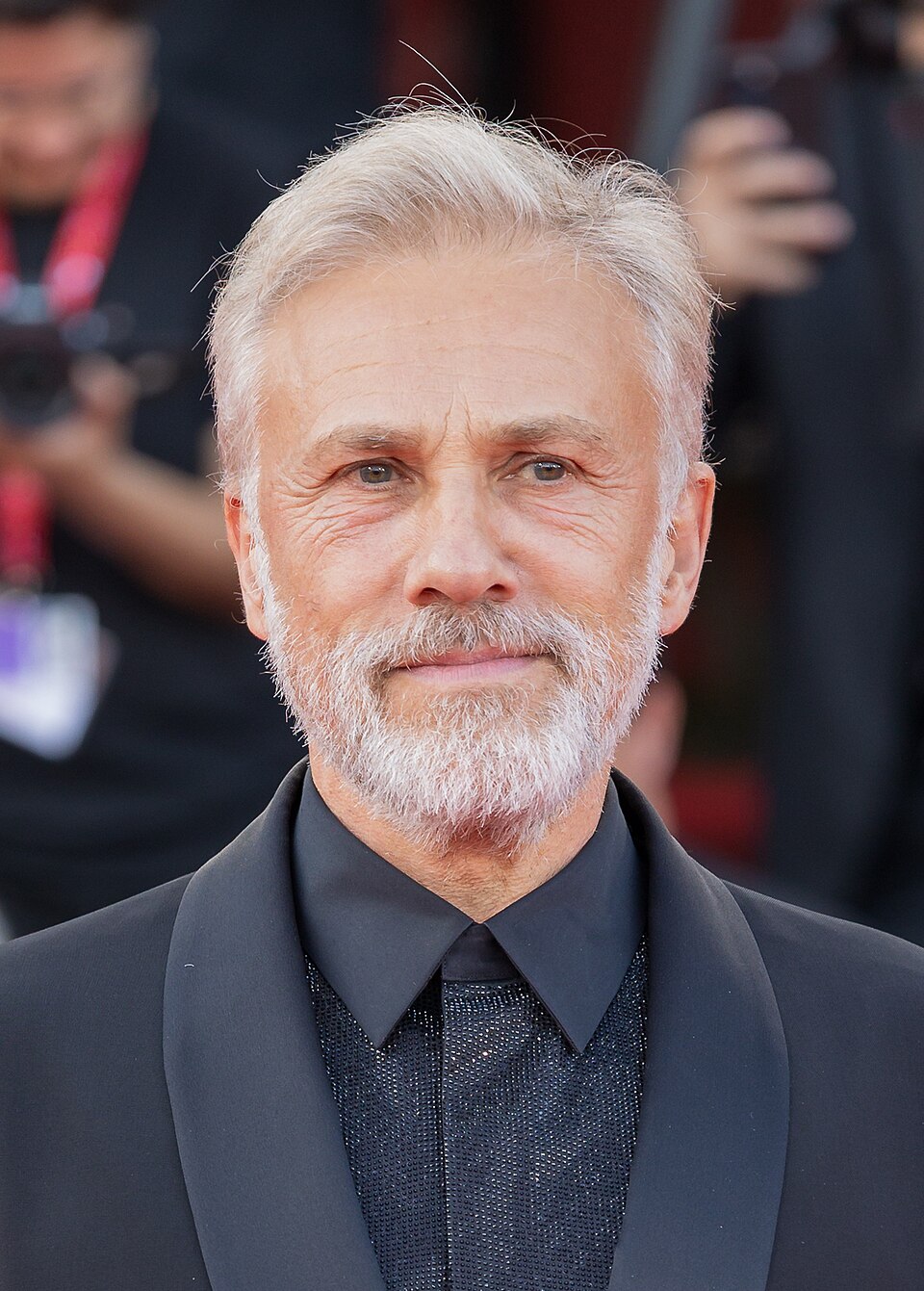
Before he became the menacingly charismatic Colonel Hans Landa, the charmingly ruthless Dr. King Schultz, or the myriad of complex characters that have graced international screens, Christoph Waltz was a diligently working actor honing his craft far from the global spotlight. For decades, the name Christoph Waltz was synonymous with quality German and Austrian television productions, not Hollywood blockbusters. This period, often overlooked by his global fanbase, is rich with performances that reveal the nascent genius of a performer destined for greatness. Exploring the roles of Christoph Waltz jung, or young Christoph Waltz, offers a fascinating glimpse into the evolution of an acting powerhouse.
The journey from regional recognition to Oscar-winning international acclaim is rarely linear or instantaneous. For Waltz, it was a marathon of relentless work, diverse roles, and unwavering dedication to the art of acting. This article delves deep into those crucial formative years, uncovering the hidden gems of his early career and illuminating the foundations upon which his later triumphs were built. Prepare to discover the Christoph Waltz you never knew, a testament to perseverance and pure talent.
The Formative Years: A Legacy Born on Stage
Christoph Waltz's lineage practically predestined him for a life in the arts. Born in Vienna, Austria, in 1956, he hails from a family steeped in theatrical tradition. His mother, Elisabeth Urbancic, was a costume designer, and his father, Johannes Waltz, was a set designer. His maternal grandmother, Maria Mayen, was a prominent actress, and his maternal grandfather, Emmerich Reimers, was also an actor. This rich artistic heritage meant that the world of theatre was not just a career choice but an intrinsic part of his upbringing. This early exposure instilled in him a profound respect for the craft and an understanding of its intricate demands.
His formal training began at the renowned Max Reinhardt Seminar in Vienna, a prestigious acting school that has produced many of Austria's finest talents. He later continued his studies in New York City, further broadening his perspective and technique. These early years were crucial for developing the precision, versatility, and deep understanding of character that would become his trademarks. The stage was his first true classroom, where he learned the nuances of presence, voice, and emotional expression. It's here that the foundational bricks were laid for the sophisticated performer we know today. To truly appreciate the breadth of his early work, it’s beneficial to explore Christoph Waltz's Early Career: Before the Stardom, which details his foundational steps in theatre and local productions.
Dominating German and Austrian Television: The Unsung Era
For nearly three decades, long before Quentin Tarantino discovered him, Christoph Waltz was a prolific and highly respected figure in German and Austrian television. This era, stretching from the late 1970s through the mid-2000s, saw him feature in an astonishing number of TV films, series, and mini-series. Many of these roles remain largely unknown outside German-speaking territories, yet they are a treasure trove for anyone keen to explore the full spectrum of Christoph Waltz jung.
He was a ubiquitous presence on screens, often typecast as the intelligent, articulate, and sometimes morally ambiguous character. He played everything from suave detectives and cunning villains to earnest doctors and conflicted lovers. His ability to effortlessly switch between German, French, and English (and later Italian) was often showcased, even in his native language productions, adding layers to his characterizations. Some notable early appearances include:
- Parole Chicago (1979): One of his earliest TV series roles, a crime drama.
- Fire and Sword (1982): A historical adventure film, showcasing his early big-screen presence.
- Der Sandmann (1983): A German television film demonstrating his capacity for intense, dramatic roles.
- Goldeneye (1989): Not the James Bond film, but a British TV miniseries where he played a German spy, offering an early glimpse of his knack for playing sophisticated antagonists in an international setting.
- Kommissar Rex (various episodes in the 1990s and 2000s): A popular Austrian police procedural where he made multiple guest appearances, often playing different characters – a testament to his versatility and the common practice of working actors in European TV.
- Die Patriotin (1994): A gripping TV drama where he delivered a compelling performance.
- Schimanski (1996): A recurring role in this popular German crime series, solidifying his presence in mainstream TV.
- R.I.S. - Die Sprache der Toten (2007): A forensic crime series where he played a psychiatrist, showcasing his ability to inhabit roles requiring intellectual depth.
These roles, though numerous and varied, collectively formed the crucible in which his extraordinary talent was forged. He wasn't just performing; he was experimenting, learning, and perfecting the subtle art of character creation. Each project, no matter how small or seemingly insignificant, was an opportunity to deepen his understanding of human nature and cinematic storytelling.
Mastering the Craft: Glimpses of Genius in Obscurity
What becomes clear when examining the early work of Christoph Waltz jung is that the precision, intensity, and intellectual gravitas he brings to his later iconic roles were not sudden revelations but rather the culmination of years of dedicated practice. Even in his "hidden roles," there are unmistakable flashes of the brilliance that would later captivate audiences worldwide.
- Linguistic Prowess: His early work frequently required him to perform in multiple languages, refining the multilingual dexterity that became a signature element of his Oscar-winning performances. This wasn't just about speaking different tongues, but about embodying the cultural nuances and rhythms inherent in each.
- Character Versatility: From comedic turns to deeply dramatic portrayals, Waltz demonstrated an impressive range. He could seamlessly transition between playing a sympathetic hero, a cunning adversary, or a morally ambiguous figure, always imbuing them with a compelling internal logic.
- Subtle Intensity: Even in what might be considered conventional television fare, Waltz often brought an undercurrent of intellectual intensity to his characters. His eyes would convey volumes, and his precise delivery would elevate even standard dialogue. This mastery of subtlety allowed him to create memorable characters even with limited screen time.
- The Art of Observation: His ability to inhabit a character so completely stems from a keen observational skill, refined over decades of studying human behavior and stagecraft. This allowed him to build characters from the inside out, making even the most outlandish believable.
These skills were not just artistic flourishes; they were tools forged through years of relentless work, often in demanding, fast-paced television environments. He learned to deliver high-quality performances under pressure, a skill that would serve him well when stepping onto Hollywood sets.
Beyond the Spotlight: The Value of His Hidden Journey
The story of Christoph Waltz's long and productive pre-fame career offers valuable insights, not just for fans, but for anyone interested in the enduring power of dedication. His journey underscores that success isn't always immediate, and that true mastery is often the result of relentless commitment to one's craft, regardless of the level of external recognition. For those who admire his work today, revisiting the roles of Christoph Waltz jung provides a richer context and a deeper appreciation for the talent that was always there, simmering beneath the surface.
For aspiring actors, his trajectory is a powerful lesson in perseverance. It demonstrates that every role, no matter how small or localized, contributes to the development of one's skills and reputation. It's about showing up, delivering your best, and learning from every experience. The "hidden roles" weren't hidden because they lacked quality; they were simply waiting for the world stage to catch up to the talent that was already shining bright in Europe. This extensive period of work prepared him not just for fame, but for the intense scrutiny and high expectations that come with it. It’s a testament to the fact that his Christoph Waltz Young: His Journey to International Fame was a slow burn, not an overnight sensation.
Uncovering these earlier works allows us to witness the gradual refinement of an actor who would eventually command global attention. It's a journey from an accomplished working actor to a universally celebrated icon, with every step along the way contributing to the indelible performances we cherish today.
Conclusion: Unveiling the Young Christoph Waltz – A Legacy Rediscovered
The evolution of Christoph Waltz from a prolific European television actor to an Oscar-winning international star is a compelling narrative of talent, tenacity, and timing. While his global fame arrived relatively late in his career, the decades leading up to it were far from quiet. The "hidden roles" of Christoph Waltz jung are not mere footnotes but vital chapters in the story of an actor who meticulously honed his skills, explored a vast array of characters, and consistently delivered captivating performances long before the world knew his name. Revisiting this period offers not just a chronological account but a profound appreciation for the depth and breadth of his dedication. It reminds us that true artistry often blossoms away from the glare of immediate stardom, ripening over years of diligent work, ready to astonish when the right moment finally arrives.